NuShield

complete

RETAINS ALL native LAYERS

proven

NuShield® is a complete, multi-layered dehydrated placental allograft that has been shown to support improved time to wound closure in randomized controlled trial (RCT) and real-world data, when used as a protective barrier1-6
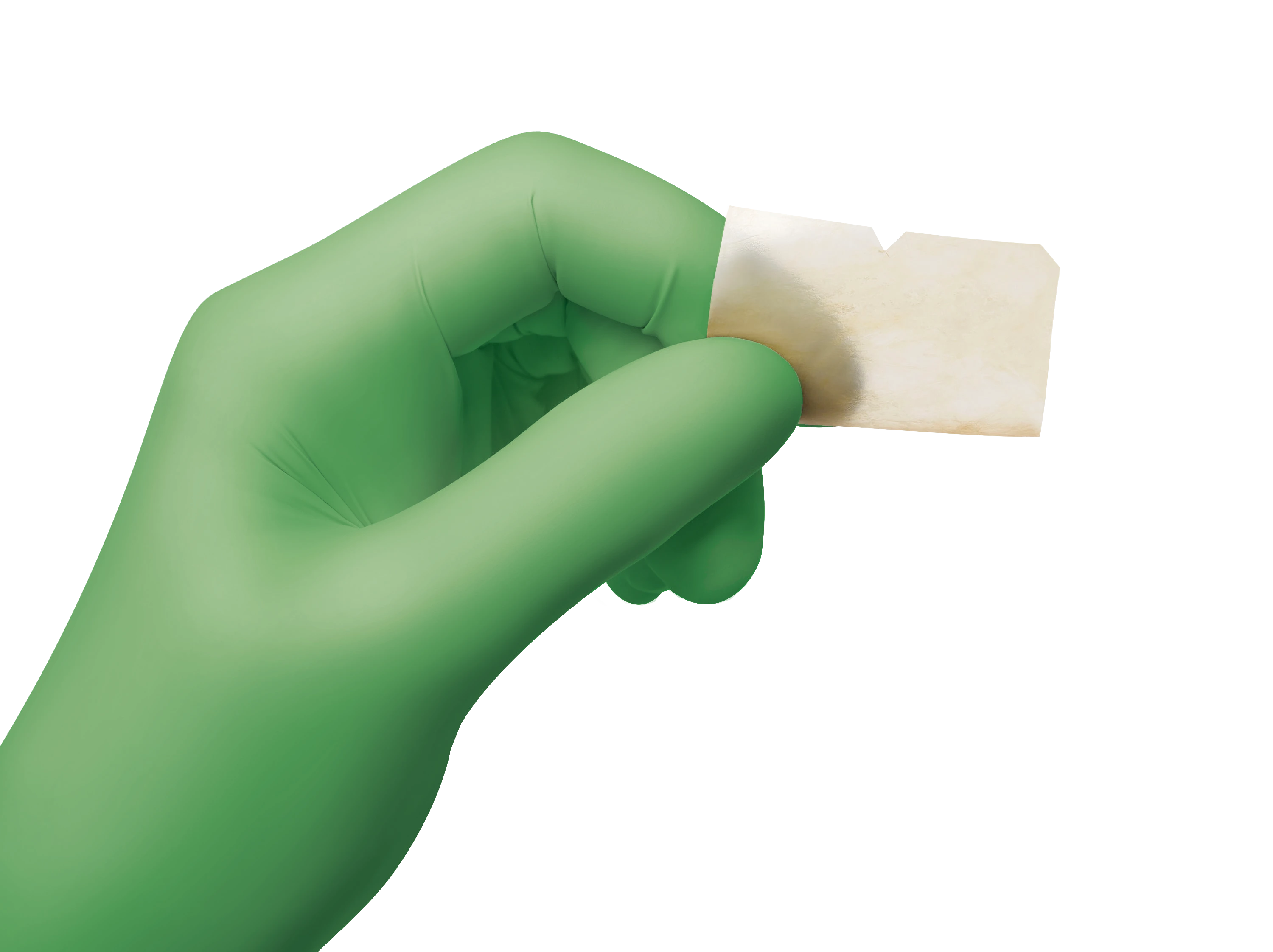
NuShield hand

NOVEL PRESERVATION METHOD

RETAINS NATIVE 
TISSUE COMPOSITION

The LayerLoc preservation method retains2:

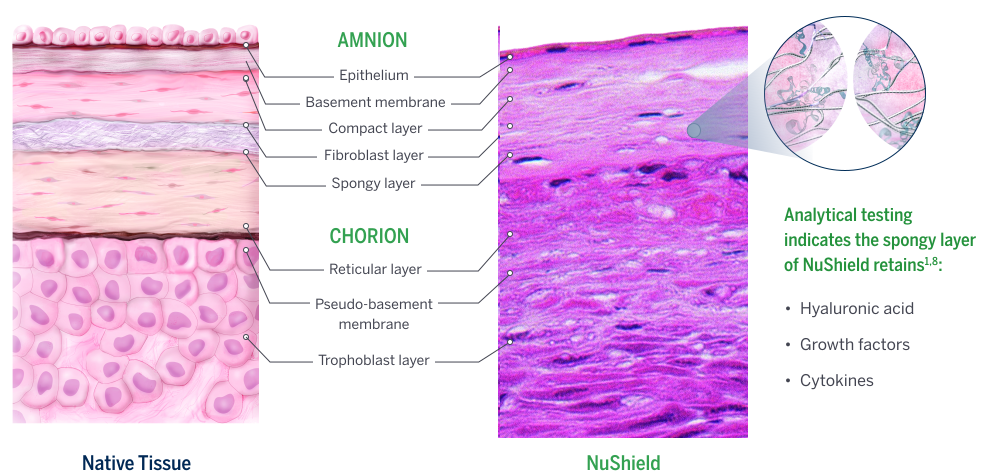
  • All native amnion and chorion layers with the spongy later intact2-4
  • The extracellular matrix (ECM) scaffold1,4
  • Analytical testing has shown that NuShield® retains growth factors, cytokines, and chemokines7
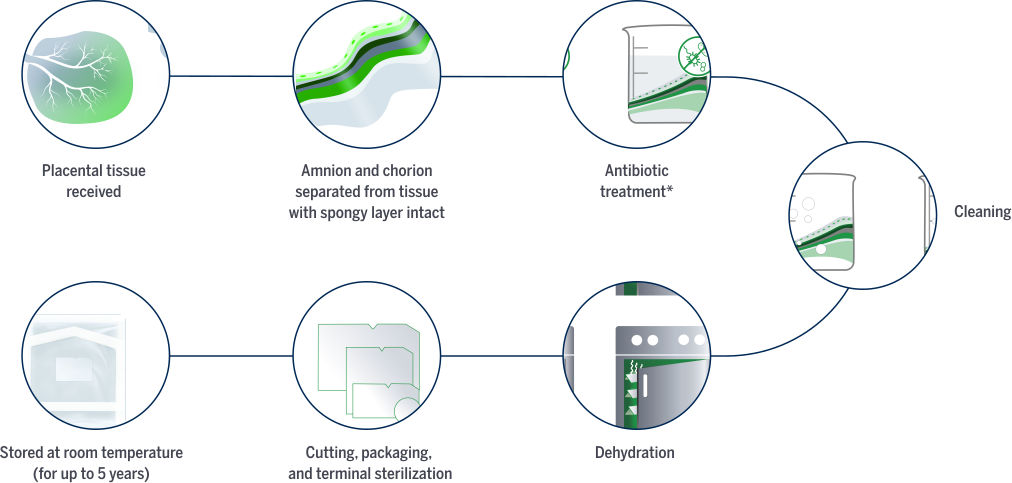
Placental tissue processing workflow

*Vancomycin and gentamicin are used during tissue processing. Caution should be exercised on patients with known sensitivity or allergies to these or any of the processing agents listed in the Instructions for Use.

NuShield retains all native amnion and chorion layers, including the spongy layer1-4

Native tissue vs NuShield histology

randomized controlled trial

evidence

Cazzell SM, et al5

Prospective, multicenter, randomized controlled trial in diabetic foot ulcers (DFUs); N=218

  • 15 centers
  • Patients with Type I or II diabetes with a DFU of 6 weeks duration or longer that was unresponsive to SOC
  • DFU could extend into dermis, subcutaneous tissue, tendon, capsule, bone, or joint

WOUND CLOSURE WAS

SIGNIFICANTLY
GREATER

As a protective barrier, NuShield increased the frequency and probability of wound closure and improved time to wound closure compared to SOC (N=218)5

NuShield®

SIGNIFICANTLY
REDUCED

wound size

As a protective barrier, NuShield demonstrated positive outcomes in non-healing DFUs (N=218)5

frequency of wound closure*

Increasing trend statistics
48%

Greater probability
of wound closure

84 days

Median time to wound closure§
SOC failed to attain this endpoint at 12 weeks

* Estimated frequency of wound closure based on Cox adjusted survival data.

Debridement, infection management, wound cleaning, dressings, and offloading.

Probability of wound closure based on Cox regression hazard ratio.

§ Time to wound closure evaluated using the Kaplan-Meier method.


DFU=diabetic foot ulcer; SOC=standard of care

Change from baseline wound area

NuShield significantly reduced wound area for all DFUs compared to SOC

Wound area change from baseline

PROPORTION OF SUBJECTS
ACHIEVING ≥40% WOUND CLOSURE

Stratum 1: DFUs <4cm2

Stratum 2: DFUs ≥4cm2

Wound area change from baseline Wound area change from baseline

real-world

evidence

Caporusso J, et al6

In real-world patients (retrospective case series), NuShield® was used in a wide variety of wounds (N=50), including:

  • Venous leg ulcers (VLUs); n=14
  • Diabetic foot ulcers (DFUs); n=24
  • Other wounds (pressure ulcers, nonhealing surgical, ischemic, mixed etiology, and nonhealing amputation); n=12

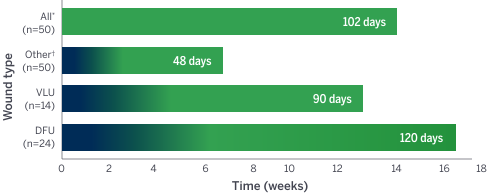
AS A PROTECTIVE BARRIER, NUSHIELD® SUPPORTED  HEALING ACROSS MULTIPLE WOUND TYPES

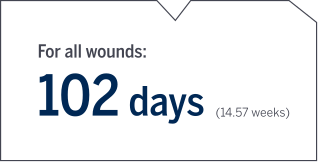
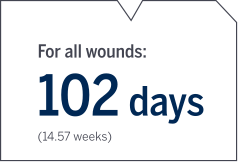
Median time to wound closure6

Median time to wound closure by wound type
Median time to wound closure Median time to wound closure

Estimated median time to wound closure for all wounds from a Cox regression model with terms for age, sex, wound type, wound duration, baseline wound area, and duration in clinic. Test of equality over strata: P=0.071 (Wilcoxon).

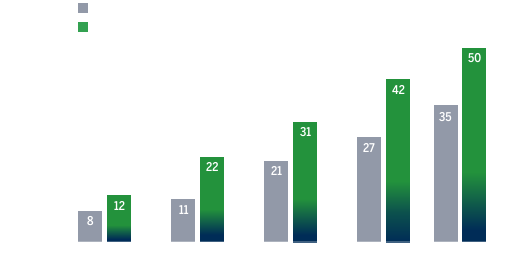
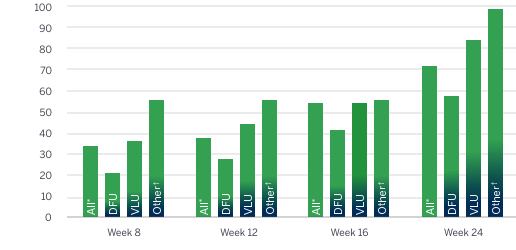
PERCENTAGE OF WOUNDS CLOSED BY WEEK

Percentage of wounds closed by week
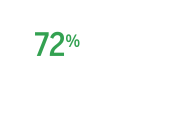
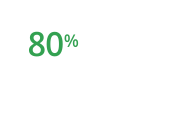
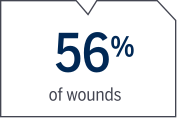
56% of wounds

achieved complete
closure at 16 weeks

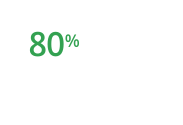
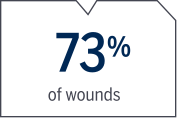
73% of wounds

achieved complete
closure at 24 weeks

Of those wounds that did not achieve wound closure, 9 (18%) had >90% wound closure, and 8 (16%) had wound closures ranging from 60% to 90% by the last observation.

* All wounds include DFUs, VLUs, and other wounds.

Other includes 3 pressure injuries, 4 nonhealing surgical, 1 ischemic, 1 mixed etiology, 1 nonhealing  amputation, and 1 not identified.

Estimated frequency of wound closure for all wounds from a Cox regression model with terms for age, sex, wound type, wound duration, baseline wound area, and duration in clinic. Test of equality over strata: P=0.071 (Wilcoxon).

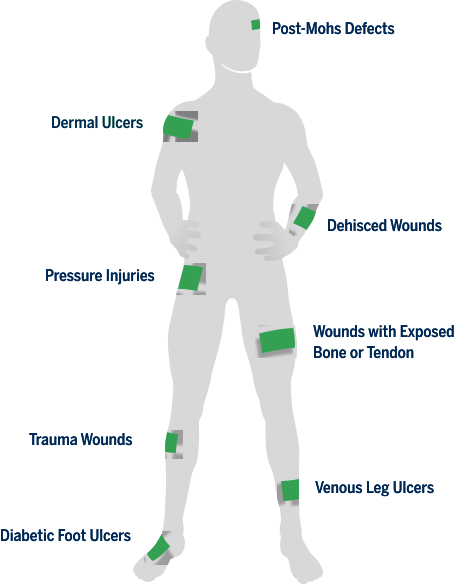
VERSATILE PROTECTIVE BARRIER

supports healing

from head to toe

  • NuShield® supports the body's inherent healing process4-6
  • May be used in a variety of wound types, including those with exposed bone or tendon4
  • 5-year shelf life at room temperature streamlines logistics and preparation time4
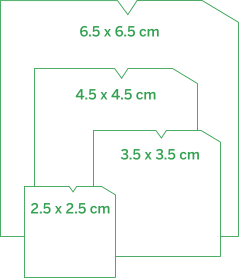
  • Available in a range of sizes allowing flexibility when fitting a wound and thus minimizing wastage
Wide range of wounds NuShield sizes
NuShield® Dehydrated Placental Allograft
Product
Number
Product
Description
Total Size
(cm2)
Billable
Units
HCPCS
Code
GTIN
NO-12502.5x2.5cm6.257Q416000618474000565
NO-13503.5x3.5cm12.2513Q416000618474000572
NO-14504.5x4.5cm20.2521Q416000618474000589
NO-16506.5x6.5cm42.2543Q416000618474000596

WANT TO LEARN ABOUT NUSHIELD'S EVIDENCE?

CONTACT US.

All fields required unless marked optional

We’re sorry, it looks like something isn’t right. Please see below.

THANK YOU

Your information has been received.

References:

  1. McQuilling JP, et al. Int Wound J. 2019;16(3):827-840.
  2. Data on file. Description of BioLoc Process. Organogenesis Inc.
  3. Niknejad H, et al. Eur Cells Mater. 2008;15:88-99.
  4. NuShield Allograft Tissue Information and Instructions for Use. Canton, MA: Organogenesis Inc; 2023.
  5. Cazzell SM, et al. J Wound Care. 2024;33(Suppl7):S4-S14.
  6. Caporusso J, et al. Wounds. 2019;31(4 Suppl):S19-S27.
  7. McQuilling JP, et al. Wound Repair Regen. 2019;27(6):609-621.
  8. Data on file. DR-0004. Organogenesis Inc.